
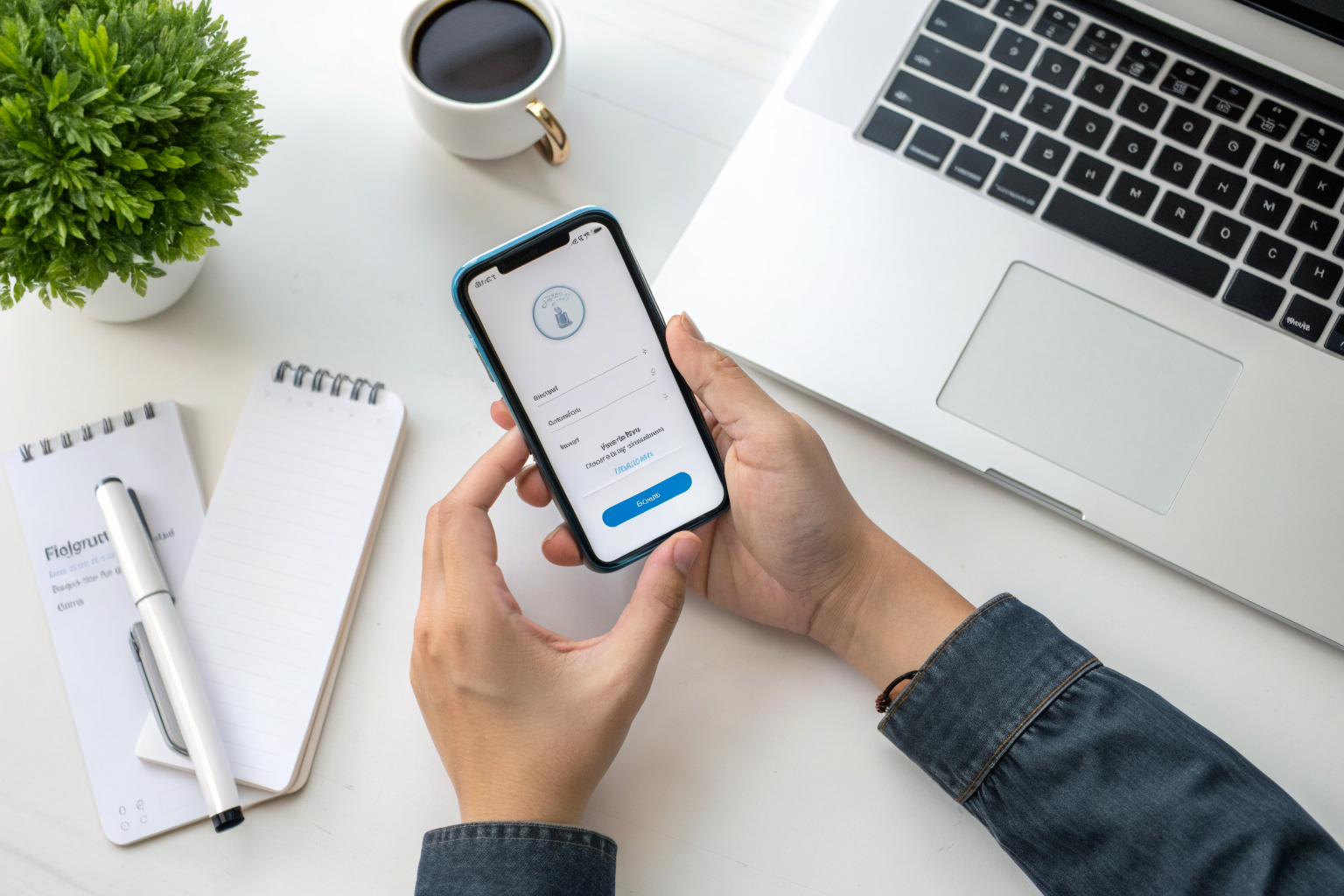
India faces an escalating wave of cyber threats, with cybercrime incidents rising by over 40% in recent years according to government data. Two-factor authentication (2FA) serves as a critical defense mechanism that combines your regular password with a time-sensitive code generated by an authenticator app, creating a dual-layer security barrier that significantly reduces unauthorized access risks.
While many Indian users still rely on basic password protection, leading platforms like Delta trading app, Bluehost hosting services, and DomainIndia are implementing enhanced 2FA protocols to meet regulatory standards and protect user accounts. Understanding the activation steps for these platforms can safeguard your digital assets and comply with evolving security requirements in the Indian digital landscape.
Why Enable 2FA for Indian Accounts?
Two-factor authentication provides substantial security benefits including protection against phishing attacks, credential stuffing, and unauthorized access attempts that have become increasingly common in India. The additional verification layer ensures that even if cybercriminals obtain your password through data breaches or social engineering, they cannot access your accounts without the time-sensitive authenticator code from your registered device.
India-specific risks include sophisticated fraud schemes targeting banking and trading platforms, with the Reserve Bank of India (RBI) reporting significant losses due to digital payment frauds. The preference between SMS-based and app-based 2FA varies, though security experts recommend authenticator apps due to SMS interception vulnerabilities and network delays that can affect code delivery in remote areas.
App-based TOTP (Time-based One-Time Password) authentication offers superior security compared to SMS codes, as it functions offline and eliminates dependency on cellular networks, making it particularly valuable for users in areas with inconsistent mobile connectivity across India.
2FA vs Single-Factor Security
Single-factor authentication relying solely on passwords exposes accounts to numerous vulnerabilities including brute force attacks, credential reuse across multiple platforms, and password database breaches. Statistics indicate that accounts protected only by passwords are compromised at rates exceeding 80% during major security incidents.
The implementation of 2FA reduces successful breach attempts by over 99% according to cybersecurity research, as attackers would need both the password and physical access to the authenticated device to gain unauthorized entry.
India-Specific Regulations
The Reserve Bank of India mandates two-factor authentication for all digital payment transactions and online banking services, with specific requirements for Additional Factor Authentication (AFA) that include something the customer knows, has, or inherits. These regulations extend to trading platforms and financial service providers operating within Indian jurisdiction.
Compliance requirements have been strengthened in 2024, with the RBI emphasizing dynamic authentication methods and risk-based transaction monitoring, making 2FA activation essential for users of Indian financial and trading platforms to ensure continued service access.
Recommended Authenticator Apps for India
Selecting the right authenticator app for Indian users requires consideration of offline functionality, device backup capabilities, and compatibility with local platforms. Popular options include Google Authenticator for its simplicity, Authy for cross-device synchronization, and Microsoft Authenticator for enterprise integration features.
The following comparison highlights key features and availability factors relevant to Indian users seeking reliable TOTP authentication solutions.
| App Name | Platforms (Android/iOS) | Key Features | India Availability |
|---|---|---|---|
| Google Authenticator | Android/iOS | Offline codes, QR scanning, cloud backup | Fully available |
| Authy | Android/iOS/Desktop | Multi-device sync, encrypted backups | Available with restrictions |
| Microsoft Authenticator | Android/iOS | Push notifications, biometric unlock | Fully available |
| Duo Mobile | Android/iOS | Push approvals, TOTP support | Available for enterprise |
| LastPass Authenticator | Android/iOS | One-tap approvals, automatic backup | Fully available |
App Download Tips
Installing authenticator apps requires careful attention to source verification and initial setup procedures to ensure security and functionality. The following steps guide Indian users through the download and initial configuration process.
- Download authenticator apps exclusively from official app stores (Google Play Store or Apple App Store) to avoid malicious versions that could compromise security credentials.
- Verify developer authenticity by checking publisher information and user reviews, ensuring the app is published by legitimate companies like Google LLC or Microsoft Corporation.
- Enable automatic app updates in device settings to receive security patches and feature improvements without manual intervention, maintaining optimal protection levels.
- Grant necessary permissions including camera access for QR code scanning and notifications for time-sensitive alerts about account access attempts.
- Set up app-level security features such as biometric unlock or PIN protection to prevent unauthorized access if your device is lost or stolen.
Universal 2FA Activation Steps
The general process for enabling two-factor authentication follows consistent patterns across most platforms, though specific interface elements may vary. These universal steps apply to major Indian platforms including trading apps, hosting services, and digital payment systems.
Following these standardized procedures ensures successful 2FA setup regardless of platform variations, with emphasis on backup code generation and verification testing to prevent account lockout scenarios.
- Access your account security settings through the profile menu or settings page, typically located under “Privacy & Security” or “Account Settings” sections.
- Locate the two-factor authentication option, which may be labeled as “2FA,” “Multi-Factor Authentication,” or “Additional Security” depending on platform terminology.
- Select authenticator app as your preferred 2FA method rather than SMS to ensure better security and reliability for Indian users with varying network connectivity.
- Scan the displayed QR code using your chosen authenticator app’s camera function, or manually enter the provided secret key if QR scanning encounters technical difficulties.
- Enter the 6-digit verification code generated by your authenticator app to confirm successful pairing between your device and the platform’s security system.
- Download and securely store backup codes provided by the platform, as these serve as emergency access methods when your authenticator device is unavailable.
- Test the 2FA setup by logging out and signing back in, ensuring the authentication process works correctly before relying on it for account protection.
QR Code Scanning Guide
QR code scanning issues commonly occur due to poor lighting conditions, camera focus problems, or outdated app versions that affect code recognition capabilities. Position your device 6-8 inches from the screen displaying the QR code, ensure adequate lighting, and hold the camera steady for optimal scanning results.
If QR scanning fails repeatedly, most platforms provide manual entry options where users can input the alphanumeric secret key directly into their authenticator app. This backup method requires careful typing to avoid errors, with attention to character case sensitivity and proper spacing.
Screen glare and reflections can interfere with QR code recognition, particularly when using mobile devices to scan codes displayed on computer monitors. Adjusting screen brightness, changing viewing angles, or temporarily disabling blue light filters often resolves scanning difficulties and enables successful code capture.
Backup Code Best Practices
Backup codes serve as emergency access credentials when primary authentication methods fail, requiring secure storage separate from your regular device to maintain their effectiveness. Store these codes in multiple secure locations such as password managers, encrypted digital files, or physical storage in secure locations away from your primary residence.
Each backup code typically works only once, making careful management essential to avoid exhausting all available codes during non-emergency situations. Print backup codes on paper stored in fireproof safes or safety deposit boxes, ensuring access during device failures, natural disasters, or extended travel periods without your authenticated device.
Platform-Specific 2FA Setup for India
Indian platforms often implement unique 2FA procedures that accommodate local regulatory requirements and user preferences, with variations in interface design and authentication flow that require platform-specific guidance for successful activation.
| Platform | Access Path | App Used | Unique Step |
|---|---|---|---|
| Delta App | Profile → Security → 2FA | Google Authenticator | Requires PAN verification |
| Share India | Settings → Login Security | Any TOTP app | SMS + TOTP dual setup |
| Bluehost India | cPanel → Security → 2FA | Google Authenticator | Domain verification required |
| DomainIndia | Account → Security Settings | Microsoft Authenticator | Indian phone number mandatory |
| Zerodha Kite | Console → Settings → 2FA | TOTP compatible apps | Trading PIN integration |
| PayTM | Profile → Privacy → 2FA | Built-in authenticator | UPI PIN confirmation needed |
| HDFC NetBanking | Settings → Security → MFA | Bank’s mobile app | Debit card details verification |
Trading Platforms (Delta & Share India)
Delta and Share India trading platforms implement enhanced security protocols that combine traditional TOTP authentication with additional verification layers required by SEBI regulations. Delta requires PAN card verification before enabling 2FA, while Share India mandates both SMS and TOTP setup to comply with multi-factor authentication requirements for securities trading.
The setup process for trading platforms involves identity verification steps that may take 24-48 hours to complete, during which users receive confirmation messages via registered email and phone numbers. Share India’s dual authentication system requires users to enter both SMS codes and TOTP codes during high-value transactions, providing additional protection for large trading positions.
Both platforms offer emergency access procedures through customer support when authenticator devices fail, requiring documentation submission and identity verification calls to restore account access without compromising security standards mandated for Indian securities trading.
Hosting & Domain Providers (Bluehost, DomainIndia)
Web hosting and domain registration services have unique 2FA requirements that protect both account access and DNS management capabilities. Bluehost India and DomainIndia implement different approaches to two-factor authentication, with specific considerations for domain ownership verification and hosting account security.
The comparison below highlights key differences in setup procedures and security features between these major Indian hosting providers.
| Step | Bluehost India | DomainIndia |
|---|---|---|
| Access Method | cPanel Security Center | Account Dashboard Settings |
| App Requirement | Google Authenticator mandatory | Multiple TOTP apps supported |
| Verification Process | Domain ownership confirmation | Indian mobile number required |
| Backup Options | Recovery codes + support ticket | SMS fallback available |
Login with 2FA Post-Setup
Successfully logging in with two-factor authentication requires understanding the timing and sequence of authentication steps, particularly for hosting platforms that manage critical website infrastructure. The following tips ensure smooth access while maintaining security protocols.
- Allow 30-60 seconds between login attempts to avoid triggering security lockouts that could temporarily disable account access during critical maintenance periods.
- Keep authenticator apps synchronized with correct time zones, as TOTP codes are time-sensitive and may fail if device clocks drift more than 30 seconds from server time.
- Maintain backup access methods including recovery codes and alternative contact information updated in account settings to prevent lockout scenarios during emergencies.
- Use consistent devices for 2FA authentication when possible, as some platforms remember trusted devices and reduce authentication frequency for recognized hardware.
- Monitor authentication logs available in account security sections to identify unauthorized access attempts and verify successful login patterns for security awareness.
- Configure session timeout preferences to balance security and convenience, particularly for shared computers or public internet connections where extended sessions pose risks.
Time Sync Issues
Time synchronization problems frequently cause TOTP authentication failures, particularly affecting users in regions with unreliable internet connectivity or devices with incorrectly configured time zones. Enable automatic time synchronization in device settings and verify that authenticator apps have permission to access accurate time information from network sources to prevent authentication code mismatches with server-generated expectations.
Troubleshooting Common 2FA Issues in India
Indian users frequently encounter specific 2FA challenges related to network connectivity, device compatibility, and platform-specific implementation quirks that require targeted troubleshooting approaches. Understanding these common issues and their solutions prevents account lockout scenarios and ensures consistent access to protected accounts.
The following problems represent the most frequent 2FA difficulties reported by Indian users across various platforms, with practical solutions that address both technical and procedural challenges.
Recovery procedures vary significantly between platforms, making it essential to understand backup access methods and support contact procedures before encountering authentication problems that could disrupt access to critical accounts.
- Authentication codes not working despite correct entry, often caused by time synchronization issues between device clocks and authentication servers, requiring manual time sync or automatic time zone updates.
- Lost or damaged authenticator device scenarios where backup codes are unavailable, necessitating identity verification through customer support with documentation requirements and processing delays of 2-7 business days.
- SMS delivery delays in remote areas affecting fallback authentication methods, particularly during network congestion periods or natural disasters that disrupt cellular infrastructure across India.
- App compatibility issues with older Android devices or iOS versions that don’t support modern authenticator apps, requiring alternative TOTP applications or platform-specific workarounds for legacy systems.
- QR code scanning failures due to poor camera quality, lighting conditions, or screen resolution problems, resolved through manual secret key entry or using alternative devices with better camera capabilities.
- Platform-specific bugs during high-traffic periods when authentication servers experience overload, causing temporary failures that require patience and repeated attempts during off-peak hours.
- Account lockout situations where multiple failed authentication attempts trigger security protocols, requiring waiting periods or support intervention to restore normal access functionality.
Recovery Without Backup
Account recovery without backup codes requires contacting platform customer support with comprehensive identity verification documentation including government-issued ID, account creation details, and recent transaction history. Most Indian platforms require 3-7 business days to process recovery requests, during which account access remains suspended for security purposes.
Prepare recovery documentation in advance including clear photographs of identity documents, proof of address matching account registration information, and detailed explanations of circumstances leading to authentication failure. Support teams prioritize requests with complete documentation and may expedite recovery for accounts with verified premium services or significant account values.